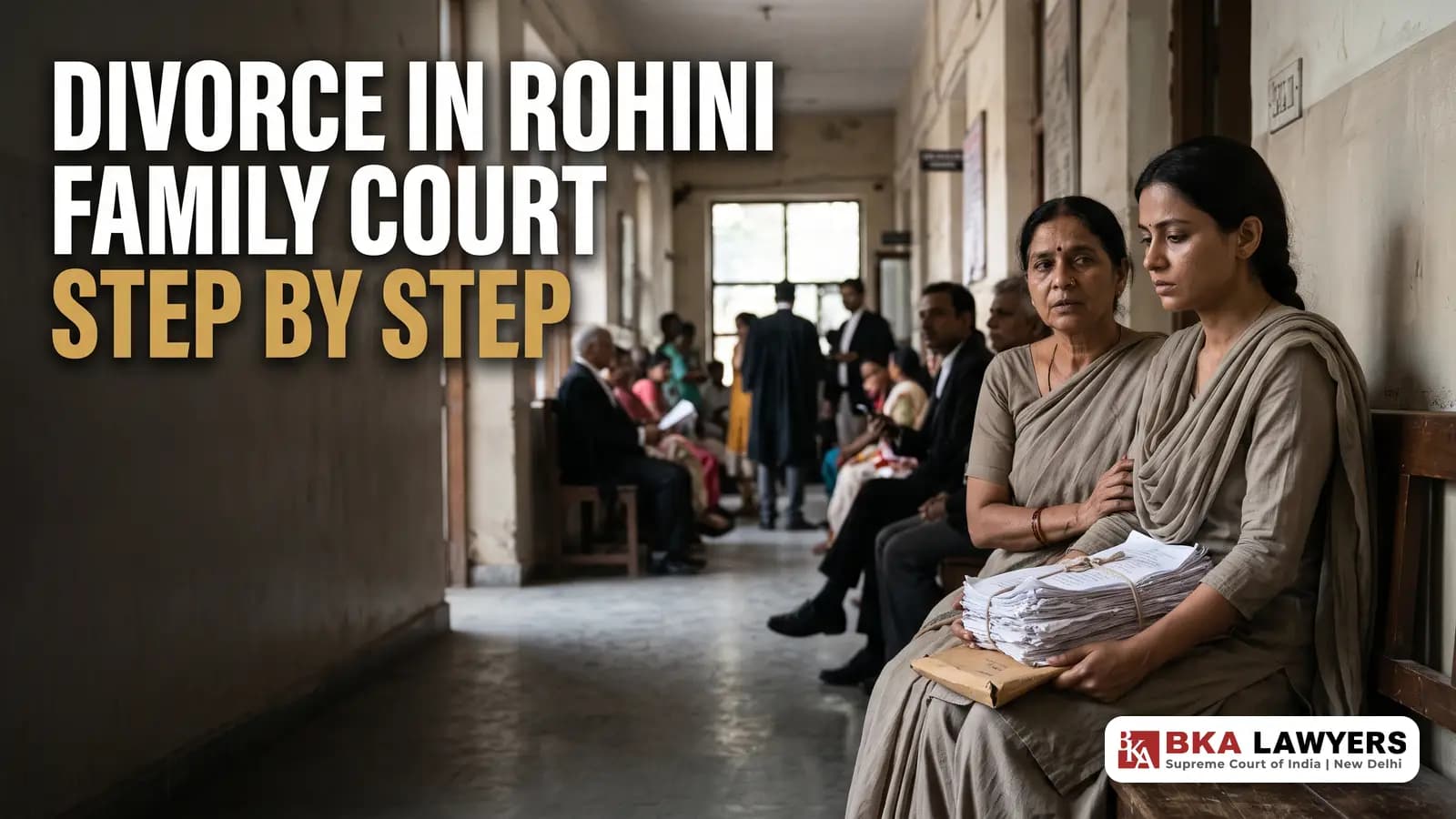
Role of the Labour Courts & Industrial Tribunals, Delhi
Labour Courts and Industrial Tribunals in Delhi exercise jurisdiction under the Industrial Disputes Act, 1947. They adjudicate disputes referred by the appropriate Government, including dismissal, discharge, retrenchment and other employment-related matters. They also decide claims relating to wages, gratuity and other statutory dues where the law provides such a remedy.
These fora deal with complaints under the Sexual Harassment of Women at Workplace (Prevention, Prohibition and Redressal) Act, 2013 (POSH Act) and with appeals against certain orders of authorities under labour legislation. The firm appears before these fora in Delhi in matters arising from employment contracts, termination and unpaid dues.
Who Can Approach the Labour Courts & Industrial Tribunals, Delhi
A workman, as defined in the Industrial Disputes Act, 1947, may raise an industrial dispute, which the appropriate Government may refer to the Labour Court or Industrial Tribunal. An employer may also be a party to such a reference. Individuals with a statutory claim, such as unpaid wages or gratuity, may approach the competent authority or court under the relevant statute.
For complaints under the POSH Act, 2013, an aggrieved woman may file a complaint before the Internal Committee or Local Committee and may also pursue remedies before the appropriate forum. The firm advises both employees and employers on the correct forum and the procedure to be followed.
Filing Procedure and Timelines
The procedure begins with a demand for justice, conciliation before the appropriate authority and, if unresolved, a reference by the appropriate Government to the Labour Court or Industrial Tribunal. The parties then file their statements of claim and written statements, and the matter proceeds through evidence and arguments.
Timelines vary with the nature of the dispute and the forum. Claims for wages and other statutory dues are governed by the limitation periods in the applicable legislation. The firm advises clients on the steps and documents required at each stage and represents them in conciliation and adjudication.
Preparing Your Application
The application or statement of claim should set out the facts, the relief sought and the grounds in support. Documents usually required include the appointment letter, employment contract, salary slips, attendance records, correspondence relating to termination or dues, and any order or notice issued by the employer.
In POSH matters, the complaint, the findings of the committee (if any) and related correspondence are relevant. In industrial disputes, the reference order and the conciliation record are essential. The firm assists in assembling and reviewing these documents and in drafting the pleadings.
Appeals and Further Remedies
Orders of the Labour Court and Industrial Tribunal are subject to challenge before the High Court of Delhi under Articles 226 and 227 of the Constitution of India and, in certain cases, by way of appeal as provided by the relevant statute. The firm appears before the High Court of Delhi in such matters.
Remedies against orders under specific labour statutes lie before the appellate authority or court designated by that statute. The firm advises on the appropriate remedy and the time limits applicable to each.
Our Practice Before the Labour Courts & Industrial Tribunals, Delhi
BKA Lawyers has over 35 years of practice and appears before the Labour Courts in Delhi and the High Court of Delhi. The firm handles wrongful termination and illegal retrenchment disputes, recovery of salary, bonus, gratuity and full and final settlement, complaints under the POSH Act, 2013, industrial disputes, and disputes arising from employment contracts, notice periods and non-compete clauses.
The firm represents clients before the Supreme Court of India, the High Court of Delhi, the High Court of Punjab & Haryana at Chandigarh, the Rajasthan High Court at Jaipur and Jodhpur, the District and Sessions Courts in Delhi at Tis Hazari, Rohini, Karkardooma, Saket, Dwarka, Patiala House and Rouse Avenue, the District Courts across NCR at Gurugram, Noida, Ghaziabad and Faridabad, and before NCLT and NCLAT, DRT and DRAT, RERA Authorities and Consumer Commissions, MACT, Labour Courts, CAT and SDM Courts in Delhi. The firm also provides urgent bail and arrest assistance 24x7.
The firm's offices are at Chamber No. A-15, Western Wing, Tis Hazari Courts, New Delhi - 110054; Chamber No. 1032 Lawyer's, Rohini Court Complex, Block D, Sector 14, Rohini, New Delhi, Delhi 110085; NP-39/C, Maurya Enclave, Pitampura, New Delhi - 110088; and Pocket IV, Sector G2&G6, 1109, Eleventh Floor, Tower C, Narela, Delhi 110040.